

Will Mid-Journey's next version replace a range of photography services?
From distorted to beautiful, generative photography impacts and concerns

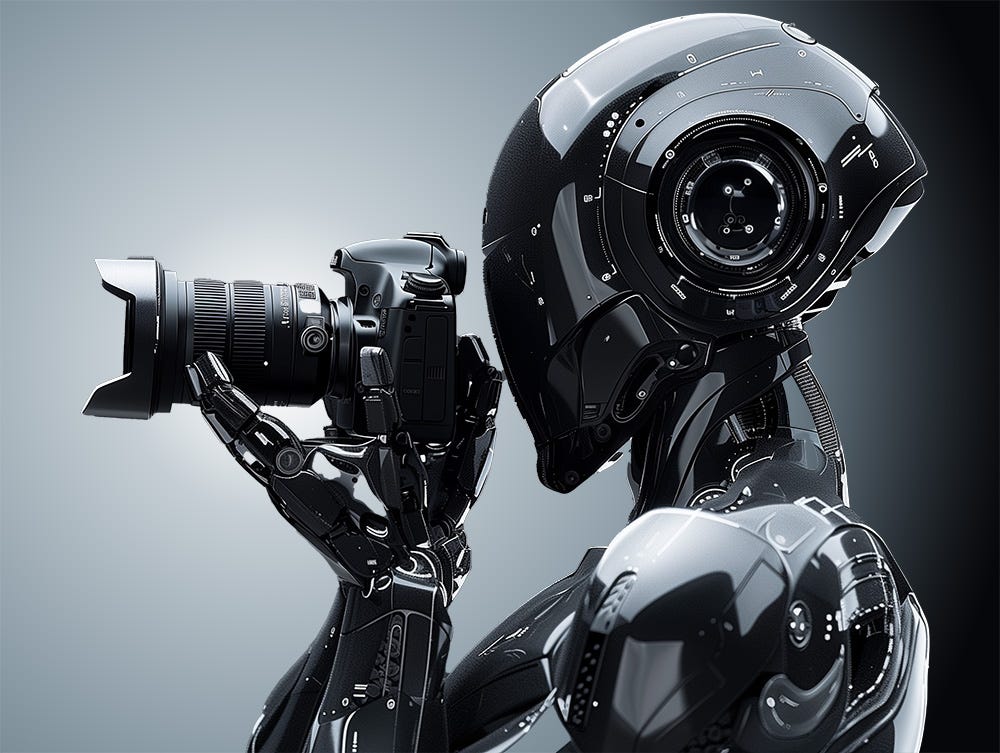
The rapid transformation of Mid-Journey, from its initial stages in the summer of 2022 to its latest version 6 release, has garnered significant attention from the public. However, this progress has also raised questions and concerns among photographers and artists.
At its inception, a large and interested audience perceived the AI generation tool as a fantastic and hip new way of creating experimental, conceptual, and abstract art rather than a direct alternative to traditional art, illustration, design, and photography.
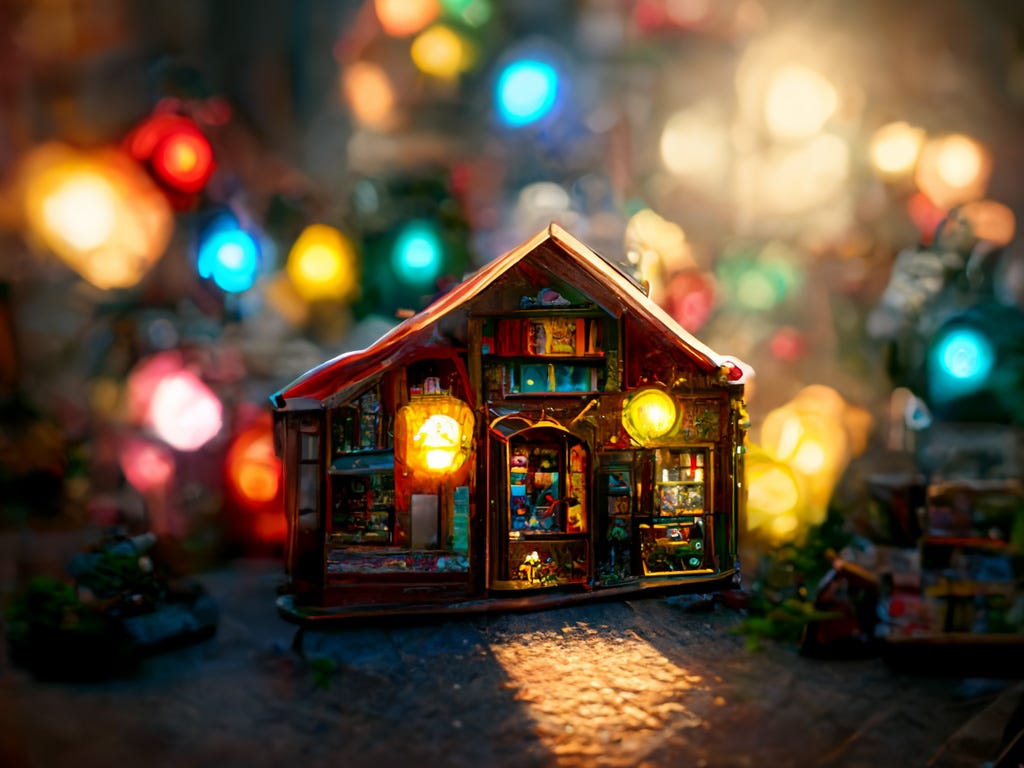
Issues with using the artistic styles of active artists
As the technology evolved, version 4 and later iterations became increasingly sophisticated and human-like in artistic interpretations. The compositions became more refined, and the software impressively imitated the styles of various artists found online.
Then, in a surprising turn of events, in the fall of the same year, a Mid-Journey AI-generated image emerged victorious in a prestigious painting competition, sparking curiosity about AI's untapped potential in the art world.
According to Mid-Journey, the AI models were trained using only the artworks of celebrated artists who were no longer actively creating, including Pablo Picasso, Leonardo da Vinci, Albrecht Dürer, Rembrandt, and Michelangelo. One result of this training was that their signatures often appeared in subsequent image generations.
Controversially, many AI-generated images using the text prompt extension of '...in the style of...' reveal that the AI models were trained using the artworks of famous and popular active artists without their permission. This is evident in the model's ability to perfectly reproduce many artists' styles and techniques with new subject matters, and even the artists' signatures frequently appear in the generated images.
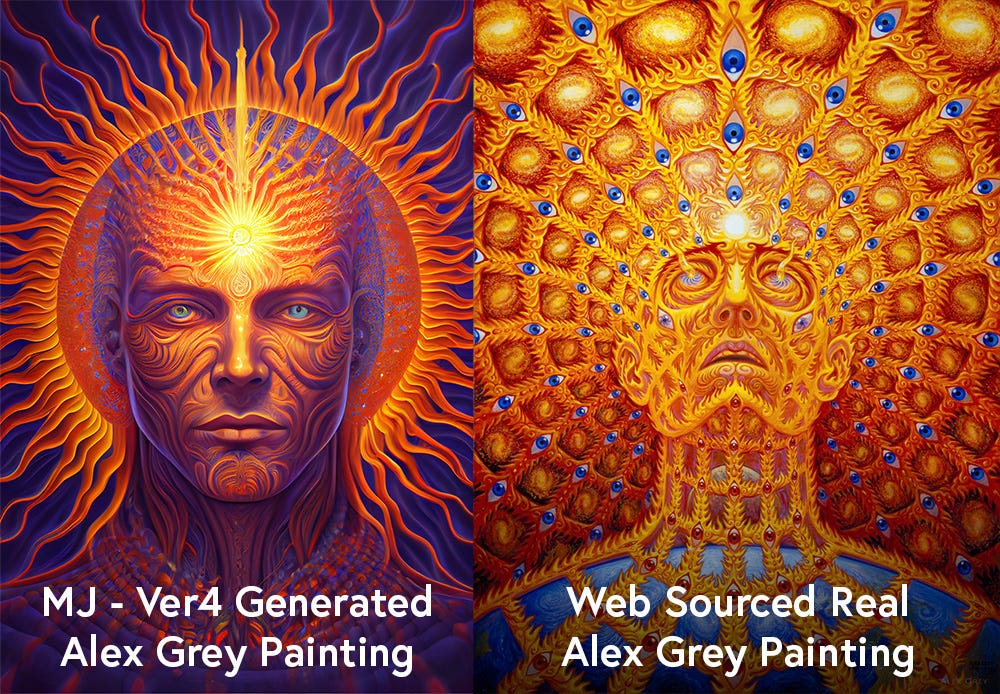
By mid-2023, a group of artists, including Sarah Andersen, Kelly McKernan, and Karla Ortiz, had taken legal action against Stability AI, Midjourney, and DeviantArt. These companies were accused of training their AI models on billions of images scraped from the web without the consent of the original artists, leading to severe allegations of copyright infringement and intellectual property theft.
Read about this lawsuit at TheVerge
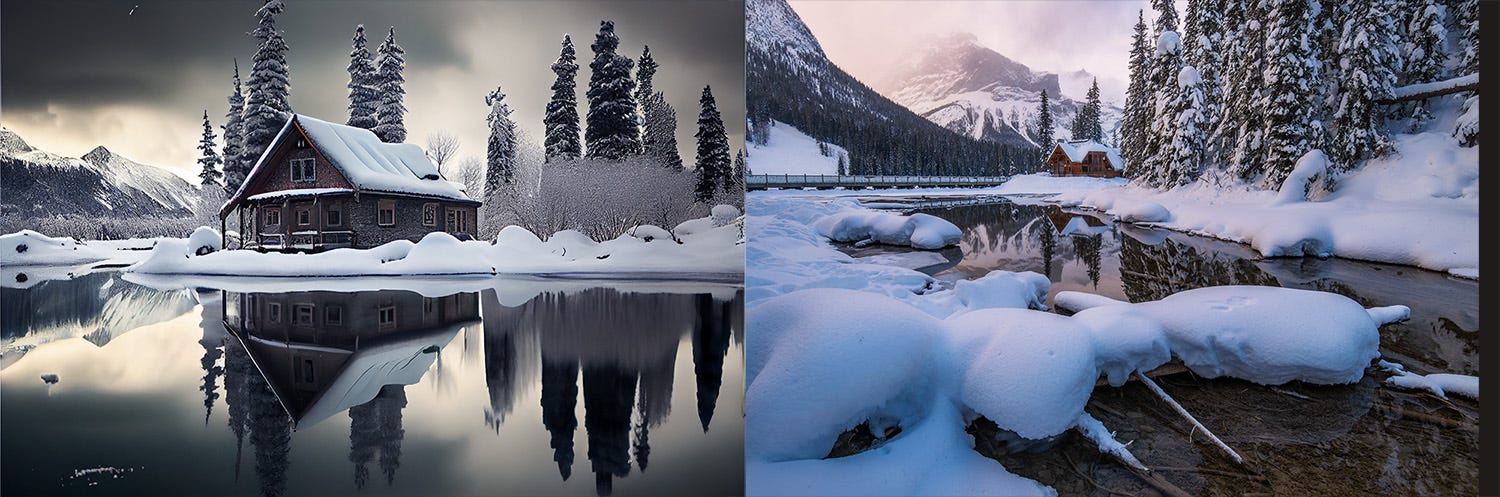
V6 Focus on Photography and photographers
The latest version of Mid-Journey, version 6, has made a significant leap regarding realism and detail. The tool can produce images with high photorealism while maintaining a unique artistic style, matching almost any successful artist or illustrator with a large amount of work displayed online.
In the V6 version, the developers focused on improving photorealism, removing more odd artifacts and out-of-place elements to bring the resulting images further out of the 'uncanny valley. ' This term refers to the phenomenon where a computer-generated image or humanoid robot that closely resembles a human being causes a sense of unease or revulsion in the observer, often associated with the perception that the image or robot is 'almost human' but not quite.
They expanded the model's capabilities by recognizing and imaging approaches and effects commonly used in photography and known to photographers.


Here are the key additions and improvements in MJ-Ver6 over Ver-5 for photography:
Cameras and Lenses: Old studio black and white cameras, pinhole, hundreds of SLR and DLSR, GoPro, Polaroid
Film: 8mm, 16mm, 35mm, from any era
Lenses: microscopic Macros to massive zooms for any camera series.
Camera settings: long exposure, double exposure, motion blur.
Lighting Effects: Midjourney allows users to control lighting effects by specifying keywords like bright lighting, dim lighting, studio lighting, golden hour, blue hour, dawn, sunset, twilight, midnight, and other terms related to different times of day and lighting intensities.
Blur Effects: Midjourney supports blur effects that can be achieved by specifying camera settings like aperture values (e.g., f1.8) to control the depth of field and background blur in images.
Special effects: You can create specific blur effects, such as shallow focus for portraits or product shots, by adjusting aperture settings to blur the background and foreground while keeping the subject sharp
While Mid-Journey's capabilities are impressive, it's important to note that it currently cannot recreate actual locations or everyday people who are not distributed all over the internet. This reassurance should instill confidence in photographers specializing in specific places, events, and portrait photography, affirming the continued relevance of their unique skills and perspectives.
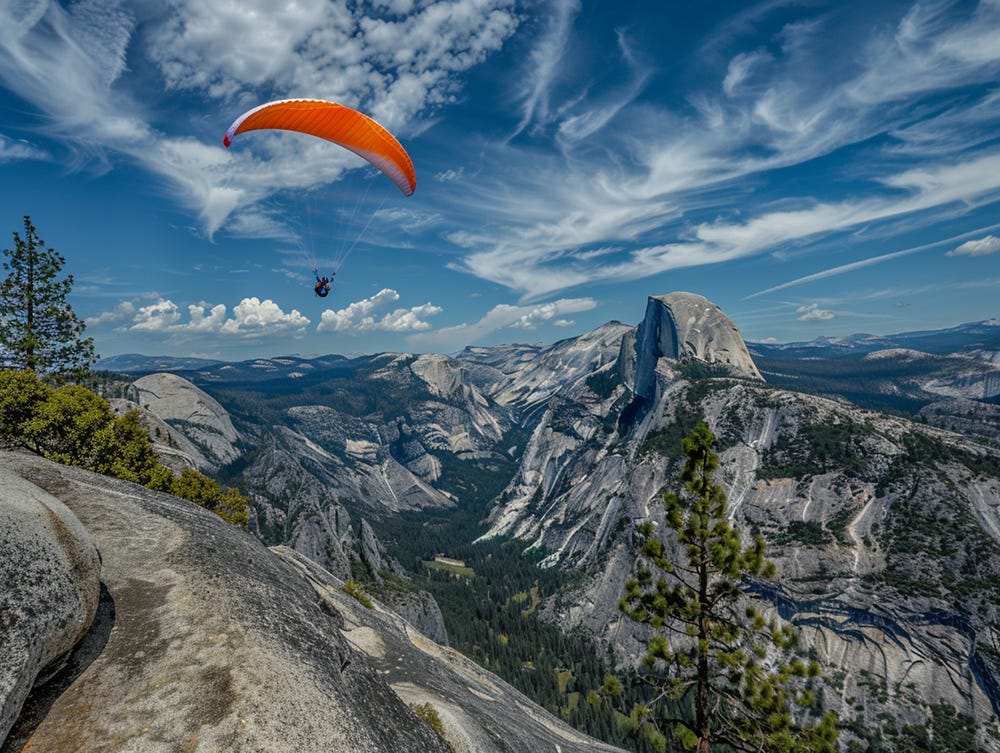
However, for photographers specializing in product, mood, or generalized landscape photography where the specific subject is not the photograph's focus, the current capability of version 6 is of concern.
The capability of version 6 raises the specter of the millions, if not billions, of stock photographs for sale online. These images, ranging from cute puppies and cats to spring scenes and food assortments, drive a billion-dollar industry. With the advent of AI-generated images, this industry could face significant disruption, as convincing replacements for stock photographs can now be created en masse by a simple word prompt.


Another advantage over stock photos is that AI generations are inexpensive one-off originals; only you will have your specific cute tabby kitten in the exact blue Easter basket you wanted. You won't have the disappointment of running across that perfect stock image you just bought in your article showing up in someone else's.
See more about Ai’s impact on stock photography on StockPerformer
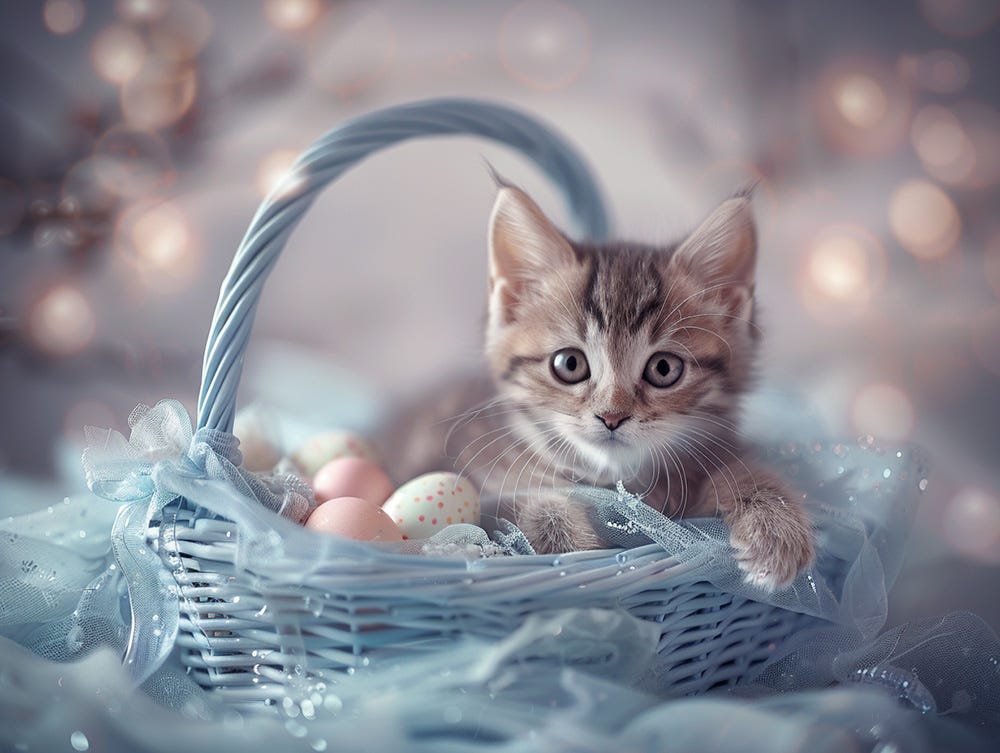
Given the available options, businesses might consider the cost-effective Mid-Journey subscriptions over Adobe Stock or iStock Photo. Also, I would like to see if some photographers might explore using AI-generated images for stock photo providers.
Time will tell, and we will follow and report on these trends!
Keep Creating!